Will I Need a Dental Crown After a Root Canal?
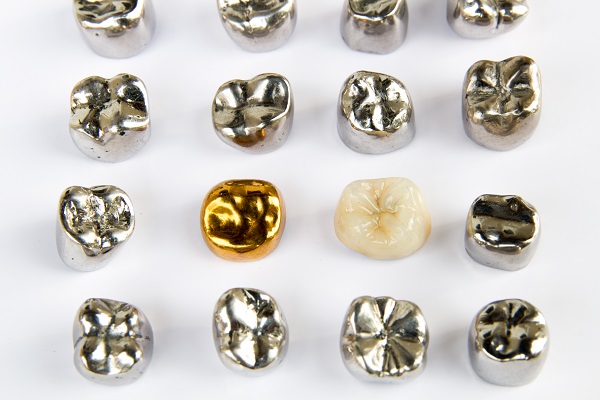
Dental crowns are a great restoration option used both on their own and in conjunction with other procedures such as root canals and dental implant placements. They are often recommended after a root canal procedure is complete, however, it is not 100% necessary. Nonetheless, general dentists highly advise for them to be placed as they ensure the security and longevity of the freshly treated tooth.
Dental crowns after a root canal
The following information should be reviewed by individuals preparing to undergo a root canal. Additionally, this information can be helpful to those who have already had a root canal performed, but are not sure why a dental crown is required.
Why are they necessary?
A root canal procedure is considered minimally invasive because the entirety of the tooth is cleared out, including the roots, which can cause discomfort and sensitivity. Because it is invasive, the tooth becomes prone to infection and damage after the procedure is complete, which is why dental crowns are highly recommended.
Dental crowns can help reinforce the tooth that underwent the root canal, which can be helpful for the future. The reinforcement provides the tooth with a way to restore its health and functionality, both of which can be lost to a root canal. Additionally, teeth that have had dental crowns placed after undergoing the root canal process are much more likely to survive.
Outlined below are a few reasons why dental crowns should be placed over teeth that have undergone root canals.
- Infection prevention: Dental crowns will cap the newly exposed tooth to ensure that infections are kept out.
- Restoration: After a root canal is complete, the tooth is cleaned out, however, it is not always functional. Having a dental crown placed on top of the tooth can restore its function.
- Natural appearance: When teeth require a root canal, there is often a change in color due to the infection. A dental crown can cover up any imperfections, thus providing a natural appearance.
- Security: Dental crowns provide weak teeth with an extra layer of security, which can be helpful for fighting off infections or when doing simpler things, such as eating.
- Sensitivity and pain: Once a root canal is complete, the tooth often feels sensitive or even sore. These sensations may heighten when eating or drinking, which is why a dental crown is recommended. The crown can cap the exposed tooth and protect it from sensitivity or discomfort that may be induced by consuming certain things.
All in all, general dentists recommend the placement of dental crowns once a root canal is complete. If anything, it provides the individual with the peace of mind that their tooth will not be a further problem.
Find out more about the use of dental crowns
When looking to learn more about dental crowns and their usage to complete the root canal process, it can be helpful to consult with a general dentist. A general dentist can further explain the need for a dental crown and discuss the associated benefits. Reach out today to learn more or to get started with an appointment.
Request an appointment here: https://dentalstudiocolleyville.com or call Dental Studio Colleyville at (817) 885-5188 for an appointment in our Colleyville office.
Check out what others are saying about our dental services on Yelp: Dental Crowns and Dental Bridges in Colleyville, TX.
Recent Posts
A dental crown restores the strength, shape, and comfort of a tooth that is cracked, worn, or heavily filled. This custom cap covers the entire visible surface to protect what remains. With modern materials and careful planning, a crown blends with nearby teeth and supports confident chewing. Understanding options and steps makes the decision clearer…
Dental implants provide a durable and natural-looking solution for missing teeth, but they do not work on their own. An implant crown serves as the final step in this process, completing the restoration and restoring smile function, appearance, and confidence. They mimic the appearance and strength of natural teeth to integrate with the rest of…
Dental crowns are often costly and require that a dentist remove a significant amount of the tooth's structure to place them. Read on to learn about dental crown alternatives. Other treatment alternatives are sometimes available that are either less expensive or significantly less invasive. Dental crowns are frequently used to restore severely damaged teeth.The following…
A dental crown can fix a broken tooth. An accident, biting on a piece of hard food, or an intense hit to your face can cause this dental injury. You then experience pain and sensitivity, not to mention self-consciousness about the unsightly appearance of your broken tooth. It is a good thing that modern dentistry…