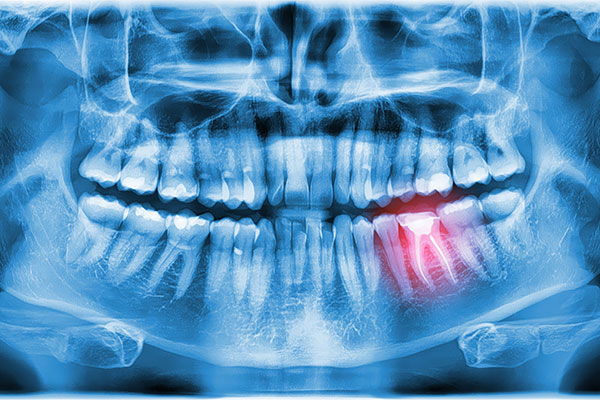
Dentists employ a root canal to save a badly damaged or infected tooth. When decay, injury, or infection affects the soft tissue inside a tooth, known as the pulp, a root canal is often the best way to fix it. This treatment relieves pain and protects the tooth from further damage. Knowing what to expect during a root canal can make the process less intimidating and help patients feel more comfortable about the procedure.
What is a root canal?
A root canal is a treatment that removes infected or damaged tissue from the inside of a tooth. The tooth's pulp, which is the center of the tooth, contains nerves, blood vessels, and connective tissue. Essentially, it is what helps keep the tooth "alive." If the pulp becomes inflamed or infected, it can result in severe pain, sensitivity, and even abscess formation. The goal of a root canal is to remove the damaged pulp, clean and disinfect the tooth's interior, and seal it to prevent future issues. This root canal process eliminates pain and preserves the natural tooth, preventing the need for extraction.
Addressing misconceptions about a root canal
Unfortunately, there are various misconceptions surrounding root canals. The most common is that root canals are painful, but this is a myth. Modern techniques and anesthetics make the procedure comfortable. In fact, a root canal often provides relief from the severe pain caused by an infected tooth.
Another misconception is that root canals weaken the tooth. With proper restoration and care, the treated tooth can last a lifetime. Regular dental visits and good oral hygiene are essential to keep the tooth and surrounding gums healthy.
Signs that indicate a root canal is necessary
According to Healthline.com, several symptoms may indicate the need for a root canal, such as persistent tooth pain, sensitivity to hot or cold temperatures, swelling around the gums, and tooth discoloration. Sometimes, a patient may not experience noticeable symptoms, but a dentist may identify the need for treatment during a routine examination or through X-rays.
The step-by-step root canal process
Seeking prompt dental care when these symptoms arise can prevent the problem from worsening and improve the chances of saving the tooth. Upon visiting the dentist, the following steps will occur:
Step 1: Diagnosis and consultation
The process begins with a thorough examination. The dentist evaluates the patient's symptoms, conducts a physical examination, and takes X-rays to assess the extent of the damage. If a root canal is deemed necessary, the dentist will explain the procedure and answer any questions the patient may have.
Step 2: Numbing the area
Before starting the procedure, the dentist administers a local anesthetic to numb the affected tooth and surrounding area. This ensures the patient remains comfortable throughout the treatment.
Step 3: Accessing the tooth
Once the area is numb, the dentist opens the tooth's crown to access the pulp chamber and root canals. This step is crucial for removing the infected or damaged pulp.
Step 4: Cleaning the canals
Using specialized tools, the dentist carefully removes the infected pulp and cleans the tooth's interior, including the root canals. This step eliminates bacteria and debris, reducing the risk of future infection.
Step 5: Shaping the canals
After cleaning, the dentist shapes the root canals to prepare them for filling. This involves widening and smoothing the canals to ensure the filling material fits securely and seals the space effectively.
Step 6: Filling the canals
The cleaned and shaped canals are filled with a biocompatible material, such as gutta-percha. This material seals the canals and prevents bacteria from re-entering. The opening in the tooth is then temporarily sealed until the final restoration is placed.
Step 7: Restoring the tooth
Note this step does not happen during the root canal appointment. At a follow-up appointment, the dentist places a permanent restoration, such as a crown, to protect and strengthen the treated tooth. The crown restores the tooth's shape, function, and appearance, allowing it to blend naturally with the surrounding teeth.
Recovery after a root canal
Most patients experience minimal discomfort following a root canal. Mild soreness or sensitivity is common but typically resolves within a few days. Over-the-counter pain relievers are usually sufficient to manage any discomfort. Further, following the dentist's instructions for post-procedure care is important, which may include avoiding hard or sticky foods until the final restoration appointment. Good oral hygiene practices, including regular brushing, flossing, and dental check-ups, are essential for maintaining the health of the treated tooth.
Save your tooth by consulting a Colleyville dentist
Addressing the problem promptly and following the dentist's recommendations for care allows patients to enjoy a restored tooth that functions and looks natural. For those experiencing symptoms like persistent tooth pain or sensitivity, consulting a dentist as soon as possible is the first step toward relief and recovery—contact Dental Studio Colleyville to schedule an appointment.
Request an appointment here: https://dentalstudiocolleyville.com or call Dental Studio Colleyville at (817) 885-5188 for an appointment in our Colleyville office.
Check out what others are saying about our dental services on Yelp: Root Canal Treatment in Colleyville, TX.
Recent Posts
A root canal is a common dental procedure designed to save an infected or severely decayed tooth. Despite common misconceptions, it is not a painful or complicated procedure. Rather, it is a routine treatment that effectively relieves pain and protects your natural teeth.A root canal is a treatment used to repair and save a tooth…
If the root canal of a tooth is infected, you need to visit a dentist as soon as possible. Endodontic treatment, commonly called root canal therapy, entails repairing a damaged and infected inner layer of the tooth. By performing the treatment, a dentist can save the infected root canals from abscess or extraction.Root canals are…
A root canal is a necessary dental procedure that is needed after bacteria from an infection develops inside the pulp of a tooth from either an injury or a severe cavity. The name is derived from the cleaning of the canals that reside inside the tooth’s root. It is pertinent to get treated as soon…
A preventive dentist is a trusted partner in maintaining your oral health and preventing serious dental issues before they occur. This dental professional emphasizes regular care and education, supporting long-term wellness and reducing the need for extensive procedures. As the cornerstone of modern dental care, preventive dentistry underscores early detection, regular visits, and informed patients.A…