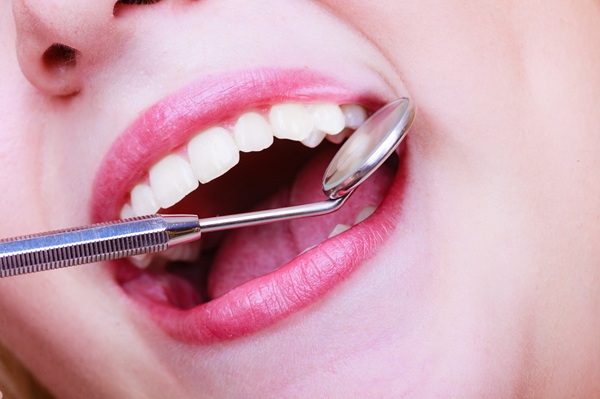
Routine dental care involves far more than just checking for cavities and polishing enamel. They also check for tissue abnormalities that can impact overall health, making oral cancer screenings an essential component of every standard dental checkup. This quick, painless evaluation allows a general dentist to examine the soft tissues of the mouth for early cellular changes. Here is everything you need to know about these crucial screenings.
What happens during an oral cancer screening?
An oral cancer screening is not a long, drawn-out process. In fact, it takes only a few minutes but provides a comprehensive overview of oral mucosal health. The dentist performs a visual examination of the entire oral cavity and the neck tissues. They look for asymmetry, unusual color variations, swelling, or firm lumps that sit beneath the surface of the skin.
The process also involves checking the roof of the mouth, the back of the throat, and the delicate tissue underneath the tongue. Using a small mirror and gauze, the dentist ensures that every hidden corner is inspected. Note that if the dentist finds an unusual area that may signify cancer, they will refer the patient to a specialist for further inspection and a formal diagnosis.
Next steps when a dentist finds an abnormality
Discovering an unusual spot or texture during a routine appointment does not automatically signify a definitive diagnosis of cancer. A dentist often uses a specialized rinse or a small-brush test to obtain additional information about the suspicious cells. If the tissue area fails to resolve after a brief observation period, they coordinate a referral for a definitive biopsy.
Histopathologic assessment is the gold standard for confirming the exact nature of an oral abnormality or a potentially malignant disorder. Understanding that an oral cancer screening serves as a vital exploratory tool rather than a final verdict helps reduce patient anxiety. The primary objective is to gather facts quickly so that a personalized care plan can begin without unnecessary delays.
Why early detection is critical
Early intervention significantly improves the prognosis for those who develop malignant alterations in the oral cavity. Since many initial lesions do not cause any physical pain or noticeable discomfort, a person can easily overlook significant tissue changes at home. Undergoing a routine oral cancer screening allows a dentist to detect potential issues before they expand or spread to surrounding lymph nodes.
According to the World Health Organization (WHO), identifying precancerous cells early increases the likelihood of a successful, minimally invasive treatment outcome. A proactive stance minimizes the necessity for extensive surgeries or intense reconstructive procedures later in life. Consistent surveillance protects long-term health and keeps a patient's recovery pathway straightforward and highly predictable.
Primary risk factors and vulnerable populations
While anyone can develop oral cancer, certain lifestyle factors significantly elevate the risk. According to Health Science Reports, a medical open-access journal, this often looks like heavy tobacco use, chronic alcohol consumption, and prolonged sun exposure on the lips, which represent the most prominent triggers for cellular damage. Additionally, certain viral infections, such as the human papillomavirus (HPV), correlate strongly with the development of throat and tonsil abnormalities.
Fortunately, a dentist evaluates these specific risk profiles during every checkup to tailor the preventive strategy. However, individuals without these traditional risk factors can still experience health challenges, underscoring the need for regular monitoring for everyone. Integrating an oral cancer screening at least once a year into a standard wellness routine guarantees that no patient falls through the cracks.
Key warning signs to monitor at home
Maintaining awareness between professional checkups helps to identify subtle oral changes that require immediate professional evaluation. Therefore, individuals should take a closer look at their mouth, at least once a week, to identify the following:
- Sores or ulcers that bleed easily and do not heal for several weeks
- Persistent lumps, thickening tissues, or hard spots within the cheek or neck
- Difficulty swallowing, chewing, or moving the jaw comfortably during meals
Further, a persistent feeling of an obstruction in the throat or an unexplained numbness in the mouth also indicates a need for careful investigation. Ignoring these warning signs can allow a localized issue to progress into a much more complex health crisis.
Schedule an oral cancer screening
Prioritizing a comprehensive visual and tactile examination of the soft tissues serves as a cornerstone of modern, high-quality family dentistry. This quick, life-saving evaluation blends seamlessly into standard hygiene appointments, offering a powerful layer of protection for every adult. Remember, you do not need to wait until you experience any of the aforementioned signs to schedule an oral cancer screening. Contact our office to book an appointment.
Request an appointment here: https://dentalstudiocolleyville.com or call Dental Studio Colleyville at (817) 885-5188 for an appointment in our Colleyville office.
Check out what others are saying about our dental services on Yelp: Oral Cancer Screening in Colleyville, TX.
Recent Posts
Routine dental checkups often include preventive measures that go beyond cleaning teeth. An example is the oral cancer screening. General dentists recommend these screenings to detect early signs of oral cancer, which can significantly improve treatment outcomes. Understanding the role of oral cancer screening and what to expect during them can help you decide whether…
Oral cancer screenings are a simple yet essential procedure that helps dentists look for signs of cancer in your mouth and throat. This quick and painless examination can catch signs of oral cancer in its early stages. If you have an upcoming oral cancer screening, here is what you can expect from the process.An oral…
A general dentist professional would be the most obvious choice of people to go to get an oral cancer screening. Because your dentist has most likely seen you before, they will be able to screen your mouth without any issue.Since a lot of people are not educated on oral cancer screenings, the most common questions…
Thinking you might have oral cancer? Since some of the warning signs associated with oral cancer can be confused with other not so serious dental problems, it is important for you to learn more about the warning signs of oral cancer. When you do, it will help you determine whether or not the oral signs…