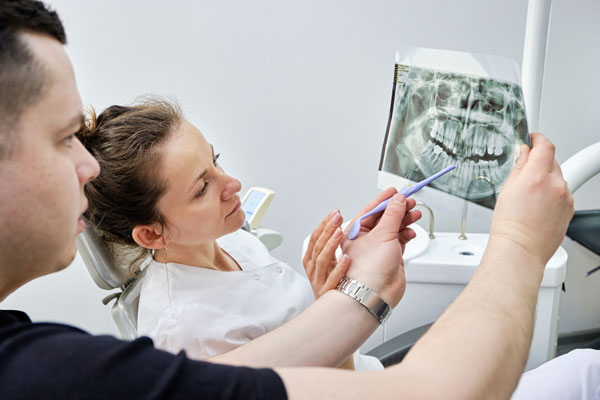
A reconstructive dentist helps restore oral function, health, and appearance after dental decay, trauma, or wear and tear. Since they treat a diverse range of issues, these dentists rarely take a one-size-fits-all approach. A reconstructive dentist offering care in a cosmetic, general, or family dentistry setting can deliver tailored solutions for anything from single-tooth repair to full-mouth reconstruction.
Repairing a damaged smile
Injuries to the teeth, gums, or jaw can result in immediate pain and long-term complications without timely intervention. Common examples include fractured, loosened, or lost teeth due to accidents or falls. Regardless of the cause, a reconstructive dentist can stabilize the affected tooth or area and restore both structure and function.
A reconstructive dentist will first assess the extent of the damage, often using digital imaging to look beneath the gums. From there, they may recommend treatments such as dental bonding, crowns, root canal therapy, or dental implants. When the surrounding bone or soft tissue is also involved, additional procedures (e.g., bone or gum grafting) may be necessary to fully restore the area.
Managing severe decay and tooth wear
Tooth decay remains a leading reason for treatment from a reconstructive dentist, particularly when cavities are beyond the scope of a dental filling. For instance, if the cavity extends into the deep layers of enamel and dentin, a root canal is necessary to save the tooth. Otherwise, the tooth will become painful, loose, and may even fall out. A reconstructive dentist offers comprehensive solutions to remove deep decay, rebuild the tooth, and prevent further issues.
In some cases, a reconstructive dentist uses a dental crown to reinforce a weakened tooth. This restoration safeguards against further damage while also restoring the tooth’s function and appearance. Inlays and onlays are other common options. These restorations fit into damaged areas like puzzle pieces, restoring teeth to a healthy shape.
Tooth replacement options
Missing teeth can affect the aesthetics and function of the remaining teeth, leading to neighboring teeth shifting, a shrunken jawbone, and difficulty chewing or speaking. A reconstructive dentist can provide tooth replacements that maintain the bite’s alignment and the smile’s natural appearance. Dental implants, bridges, and partial dentures are commonly recommended, though the ideal choice often depends on the location and number of missing teeth.
Implants are a particularly strong and long-lasting solution, as they are titanium posts placed in the jawbone to support a prosthetic tooth. Meanwhile, bridges fill gaps using surrounding teeth as anchors. The most cost-effective option is partial dentures, which are removable dental prosthetics that can replace several missing teeth. A reconstructive dentist carefully evaluates bone density, bite alignment, and cosmetic goals to guide treatment planning.
What if my whole smile needs to be renewed?
For widespread and excessive wear caused by teeth grinding (bruxism), acid erosion, or age-related changes, full-mouth reconstruction may be a suitable option. Full-mouth reconstruction is a treatment that replaces or rebuilds all of the teeth in a patient’s mouth. Examples of reconstruction that replace all of the teeth include All-on-4® dental implants and dentures. Those that rebuild the teeth combine a variety of restorative treatments, such as single-tooth implants, inlays, onlays, and crowns.
Reconstructive dentistry and cosmetic goals
Although reconstructive dentistry primarily addresses functional concerns, it often incorporates cosmetic principles to enhance the overall appearance of the smile. Rebuilding damaged or worn teeth is also an opportunity to improve the smile’s shape, symmetry, and color. For example, porcelain or composite resin materials blend in with the rest of the smile while also restoring teeth damaged by decay, chips, or cracks.
Within the same vein, a reconstructive dentist may also incorporate dental veneers, gum contouring, or teeth whitening in a treatment plan. This supports a treatment outcome that is both healthy and aesthetically pleasing.
Preventive care measures to support lasting results
While a reconstructive dentist aims to provide long-term solutions, the actual longevity of the results depends on how well the patient cares for their teeth after treatment. Preventive measures like routine cleanings, dental exams, and oral hygiene help keep restored areas intact. In cosmetic, general, and family dentistry settings, preventive guidance may also include nightguards for teeth grinding or oral appliances to support proper jaw alignment.
What if an issue does arise?
Sometimes, an oral health issue arises despite one’s best efforts. That is why regular dental checkups are key: They can address issues early on, before they have a chance to compromise restorative treatment. Regular follow-up visits also create opportunities to assess gum health, evaluate the fit of prosthetics, and refresh cosmetic enhancements as needed.
Invest in long-term oral health and smile renewal
A reconstructive dentist strives to address the root causes of damage while creating natural-looking, durable results. With experience in cosmetic, general, and family dentistry, they can restore confidence and function through personalized, high-quality treatment. Contact our Colleyville office to explore tailored options designed to renew your smile’s health and appearance.
Request an appointment here: https://dentalstudiocolleyville.com or call Dental Studio Colleyville at (817) 885-5188 for an appointment in our Colleyville office.
Check out what others are saying about our dental services on Yelp: Full Mouth Reconstruction in Colleyville, TX.
Recent Posts
Cosmetic dentistry uses solutions like veneers to restore the appearance of teeth. Veneers are tooth covers that go over the front surfaces of teeth. These restorations are designed to look like real teeth, so they blend in while hiding all the flaws on the tooth.Veneers have many uses in cosmetic dentistry. They can be used…
When someone wants to improve the appearance of a smile, cosmetic dentistry is a popular choice. Unlike general dentistry, cosmetic changes are not required for good oral health. Patients typically choose this method for aesthetic reasons only.Depending on the condition of the teeth and gums, there are a variety of options for improving their appearance.One…
A cosmetic dentist offers advanced solutions designed to enhance both the appearance and function of the smile. From subtle improvements to dramatic transformations, the expertise of a cosmetic dentist can help restore confidence and improve oral health. These procedures are tailored to suit each individual’s needs while maintaining a natural and balanced look.Stains from food,…
A cosmetic dentist is one who focuses on the appearance of your smile. Although every smile is beautiful, it is common to want to enhance certain aspects of your smile and minimize others. With a little preparation, patients can make the most out of their consultation at a cosmetic dentist's office and get one step…