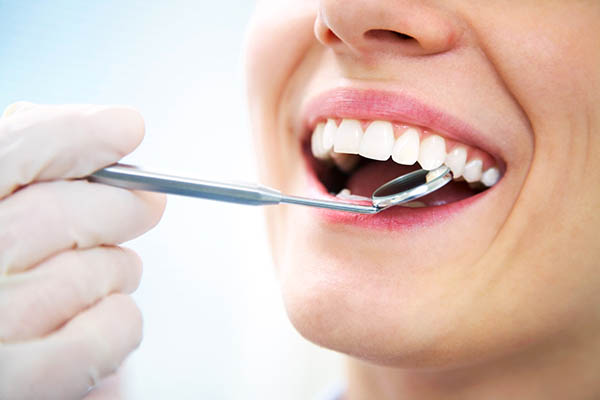
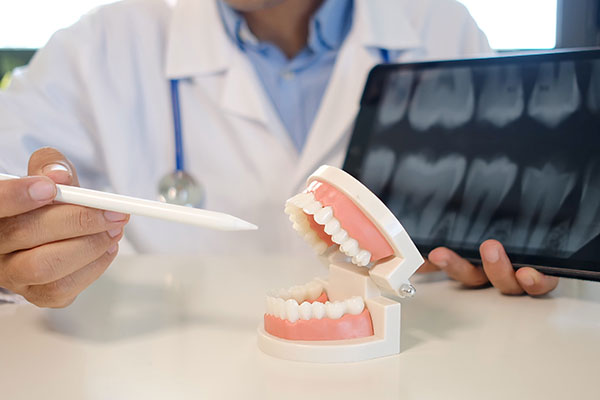
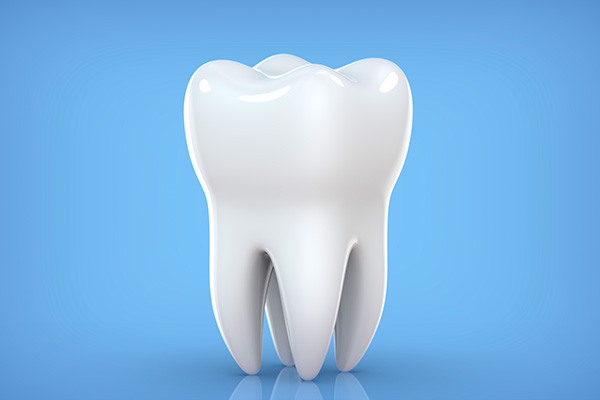
 Dentists can restore the appearance of a patient’s smile with dental bonding. This tooth-colored resin also preserves the structure of a minorly damaged or decayed tooth. Dental bonding restores and strengthens the tooth and makes it more aesthetically appealing to the eye.
What is dental bonding?
Dental bonding is a composite resin material color-matched to each patient’s smile. This allows it to fix damaged or decayed teeth without incorporating silver into the smile, as would be necessary with metal fillings. Instead, bonding blends in with the rest of the teeth. It looks completely natural. Most people will not even be able to notice that a tooth has bonding on it just by looking at it.
How dental bonding can preserve your tooth
Dental bonding’s primary purpose is cosmetic, fixing imperfections like cracks, chips, and unevenly shaped teeth. However, it can have restorative benefits, even when used for cosmetic purposes. Explore how dental bonding can help preserve teeth with the following problems:
Cracks and chips
A dentist may use dental bonding to repair minor cracks and chips in the teeth if they only affect the outermost layer (the enamel). This also prevents cracks from deepening and chips from getting larger. Severe cracks and chips will likely need a dental crown. Therefore, dental bonding preserves the overall structure of the damaged tooth and prevents the eventual need for more intensive procedures or restorations.
Cavities
Dental bonding can preserve the structure of decayed teeth. The dentist cleans out the cavity and sanitizes it. Next, they fill it with bonding. Finally, they use bonding to fill the cavity left by decay and restore the tooth to its original shape and form. Filling a cavity with bonding prevents the decay from worsening and digging into the tooth root. If that occurs, root canal therapy will be necessary to remove the infection. Thus, bonding saves the patient time, hassle, and pain.
Old silver or gold fillings
Dental bonding can also be used to replace old silver or gold fillings. Although dental fillings are necessary for preserving the tooth structure after decay has been removed, there is typically no reason why old fillings cannot be replaced with tooth-colored bonding. In fact, dental bonding is often just as effective at preserving teeth.
Exposed teeth roots
A dentist may apply dental bonding to cover exposed tooth roots. This is often recommended for patients with receding gums, which is when the gums start to pull away from the roots of the teeth. Bonding camouflages the appearance of receding gums and reinforces the structure of the teeth, making them less sensitive.
Cosmetic applications to keep in mind
As mentioned, bonding is primarily for cosmetic purposes. While this does not necessarily preserve the original tooth structure, it does enhance its appearance and then preserve that enhanced structure. For instance, a dentist may apply bonding to close gaps in the teeth, cover stains or discoloration, or alter misshapen or short teeth.
Want more information?
Dental bonding has many applications. To find out if one of these applications may benefit you, consult our Colleyville team. We can help you preserve your teeth with bonding.
Request an appointment or call Dental Studio Colleyville at 817-885-5188 for an appointment in our Colleyville office.
Recent Posts
Dental bonding and dental crowns are two of the most commonly used restoratives for a damaged tooth. When a tooth becomes damaged, it is important to seek professional care as soon as possible. Doing so will allow them to provide one of the two restoratives before the damage worsens and requires more intensive treatment. Let…
Dental bonding utilizes resin compounds to create a new tooth surface, potentially covering blemishes and other imperfections. However, bonding can be used for more than just hiding stains. Many dentists use it for a wide range of issues due to its many benefits, including its simplicity, adaptability, and price accessibility for most patients.Dental bonding has…
Dental bonding and dental filling both restore the smile. In essence, the restoratives are one and the same— the difference between them lies in when a dentist recommends them. Dentists most commonly use fillings to restore functionality to the teeth by filling cavities, while bonding is usually for cosmetic purposes. Either way, the result will…