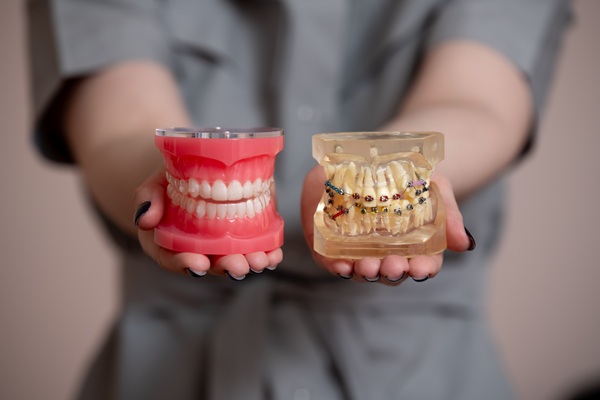
Lumineers vs. Traditional Veneers: What to Know Before You Choose
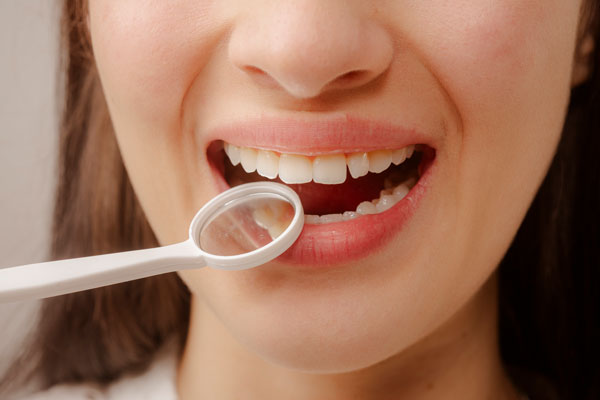
A confident smile often begins with beautifully aligned and natural-looking teeth. Lumineers have become a popular option for those seeking to enhance their smile with minimal alteration to the tooth surface. Similar to traditional veneers, Lumineers are custom-designed shells that fit over the front of teeth to improve their color, shape, and symmetry. However, the two treatments differ in design, preparation, and longevity. Understanding these differences helps patients make an informed decision about which option best suits their dental goals.
What are Lumineers?
Lumineers are ultra-thin dental veneers, often compared to contact lenses in thickness. They are crafted from a specialized form of porcelain called Cerinate, known for its strength and natural translucency. Because Lumineers are thinner than traditional veneers, they require minimal or no enamel removal during placement. This makes the process more comfortable for patients and preserves more of the natural tooth structure.
The primary purpose of Lumineers is to improve cosmetic imperfections such as discoloration, uneven spacing, small chips, or minor misalignment. They offer a smooth, polished appearance while maintaining the natural contour of the teeth underneath. Many patients appreciate the fact that Lumineers are considered a reversible treatment, meaning they can be removed if desired, unlike traditional veneers, which require permanent enamel modification.
How traditional veneers differ
Traditional veneers are also made of porcelain or composite materials, but are slightly thicker than Lumineers. Their added thickness allows dentists to make more precise corrections to tooth shape, alignment, and shade. Because of their structure, we must remove a small amount of enamel from the surface of each tooth to create space for the veneers to fit seamlessly.
This preparation process is permanent but allows for a highly customized result. Traditional veneers are an excellent solution for those who have severe discoloration, uneven surfaces, or more significant structural concerns. Once bonded, they form a durable restoration that can last for 10 to 15 years with proper oral hygiene and routine dental visits.
Traditional veneers may be more suitable for patients seeking major cosmetic or structural correction. For example, individuals with deep stains, chipped enamel, or slightly misaligned teeth may achieve a more balanced and long-lasting result with traditional veneers.
Comparing Lumineers and traditional veneers
Both Lumineers and traditional veneers share a similar purpose—to enhance the smile’s appearance—but they differ in several important ways:
- Thickness and preparation: Lumineers are thinner and typically require no enamel removal, while traditional veneers involve reshaping the teeth for a precise fit.
- Durability: Traditional veneers tend to be slightly stronger and may resist wear over time, but Lumineers still provide long-lasting results with proper care.
- Reversibility: Lumineers can often be removed since the natural enamel remains intact, whereas traditional veneers are a permanent alteration.
- Aesthetic results: Traditional veneers allow for more significant adjustments in tooth shape and color, while Lumineers maintain a more natural, subtle look.
The choice between the two often depends on the condition of the patient’s teeth and their desired cosmetic outcome. A dentist experienced in cosmetic and restorative treatments can assess which approach best aligns with each patient’s goals.
Benefits of choosing Lumineers
Lumineers provide several benefits that appeal to patients seeking a minimally invasive cosmetic solution. Their thin design means the process often requires no anesthesia and can be completed in fewer appointments. Because little enamel is removed, patients typically experience less sensitivity following placement.
Lumineers also reflect light in a way that closely mimics natural tooth enamel, offering a bright and natural appearance. For individuals with mild cosmetic concerns who prefer a less permanent option, Lumineers deliver noticeable improvement with minimal discomfort or downtime.
Longevity and maintenance
Both Lumineers and traditional veneers require consistent oral hygiene to maintain their appearance and strength. Daily brushing, flossing, and routine dental visits are essential for preserving their smooth surface and preventing discoloration at the edges. Avoiding hard or sticky foods and using non-abrasive toothpaste can further extend their lifespan.
Lumineers typically last 10 to 20 years, while traditional veneers may last slightly longer, depending on materials and care. The decision ultimately comes down to balancing long-term goals with the level of invasiveness a patient is comfortable accepting.
Choosing the right option for your smile
Both Lumineers and traditional veneers can transform the appearance of the teeth, restoring confidence and enhancing facial aesthetics. The right choice depends on individual needs, oral health, and desired results. A cosmetic or general dentist with expertise in smile design can help evaluate tooth condition, enamel thickness, and aesthetic preferences to recommend the best approach. For more information or to schedule an appointment, call our office.
To schedule a consultation, please request an appointment on our website at https://dentalstudiocolleyville.com or call Dental Studio Colleyville at (817) 885-5188 to arrange an appointment at our Colleyville office.
Check out what others are saying about our dental services on Yelp: Lumineers in Colleyville, TX.
Recent Posts
Dental laminates are a minimally invasive and effective way to correct imperfections while keeping the natural teeth strong. However, choosing to improve a smile is a big decision for many. Most patients want a better look without losing their healthy, natural tooth structure. The good news is that this modern dental service makes it possible…
Dental laminate treatments offer a minimally invasive solution for patients looking to enhance their smiles. Both dental laminates and veneers improve the appearance of teeth by covering imperfections such as discoloration, chips, and minor misalignments. While these treatments serve a similar purpose, their differences impact durability, preparation, and overall aesthetic outcomes. Understanding these distinctions can…
Veneers are artificial tooth coverings made of porcelain or resin that can improve a patient’s smile. Only fixed to the surface of the patient’s natural teeth, these dental appliances can be used to repair a majority of aesthetic issues, such as chips, stains, or cracks. Getting any dental treatment that mends problems with a smile…
Dental veneers are thin pieces of porcelain that are designed to mimic the appearance of natural teeth. To maximize their effectiveness, patients should learn how to care for them. These appliances are used to enhance the appearance of the smile by covering flaws, such as broken, discolored, chipped, or gapped teeth. With proper care, such…