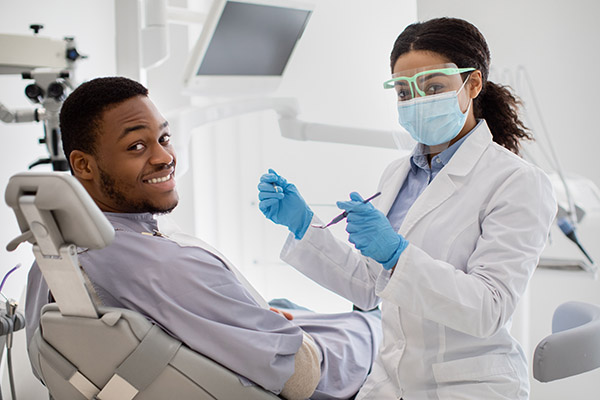
 Dental bonding is extremely versatile. Dentists use it for cosmetic reasons or to improve the overall functioning of a tooth or teeth. Take a closer look at what this procedure is and the conditions it addresses.
Dental bonding explained
Dental bonding is a procedure that uses composite resin material to build upon a tooth so that it may look natural. Composite resin is tooth-colored, which the dentist can help closely match the shade of the natural teeth for a seamless finish. It is also durable enough to simulate the strength of a natural tooth.
There are three types of dental bonding available:
Direct dental bonding
Unlike alternative smile restorations, dental bonding only requires one appointment, lasting anywhere from 30 minutes to an hour. It involves applying the composite resin directly to the target tooth. The dentist prepares the natural tooth by etching it, creating a rough surface on the enamel. This helps the composite material bond more securely. The dentist then applies the composite material in layers, slowly building it to the correct thickness. After shaping it as desired, they will harden the material before coaching the patient through a bite test to ensure no issues. Finally, they will polish it to provide a smooth or sleek finish.
Indirect dental bonding
Indirect dental bonding requires two appointments. The first involves taking impressions of the patient's mouth. An offsite lab will create a custom replica of the natural teeth using composite resin materials. The replica will take approximately two weeks to craft and send back to the office. During the second appointment, the dentist will likely perform the same etching process in direct dental bonding. However, they will secure the replica onto the tooth or teeth instead of layering the composite material.
Composite veneer bonding
Composite resin can make shells, like veneers. Veneers are tooth-shaped, thin restorations that cover the front of teeth. This form of dental bonding also requires two trips to the dental office. The first involves removing the enamel from the front of the teeth. After taking an impression of the mouth, an offsite location will create a replica. Like indirect dental bonding, the replica will take approximately two weeks to complete and return to the office. The second involves cementing the veneers into place.
Conditions dental bonding addresses
Dental bonding can address numerous issues. Whether cosmetic or functional. Therefore, if a patient has:
- Cracks or chips
- Different sized teeth
- Discoloration
- Misshapen teeth
- Gaps
- Teeth that appear to be shorter or smaller
While the majority of the list is cosmetic, the primary area of concern is for patients with cracks or chips. While chips or tiny cracks can seem harmless at face value, especially if no pain is involved, they can become problematic over time.
With constant pressure from the patient's natural bite force, mixed with the constant textures of food, these cracks can reach down past the enamel and into the pulp chamber or tooth roots. The pulp chamber houses the nerves and connective tissue, and if compromised, it can cause extreme pain and eventually death of the tooth. Dental bonding stops this from happening by not only restoring its look but also its protection, as it can last between three and ten years with proper care.
Call us for more information
If you have a damaged tooth or are interested in a smile makeover, contact us today. Our dentist can help you determine if dental bonding is the best course of action.
Request an appointment or call Dental Studio Colleyville at 817-885-5188 for an appointment in our Colleyville office.
Recent Posts
Dental bonding and dental crowns are two of the most commonly used restoratives for a damaged tooth. When a tooth becomes damaged, it is important to seek professional care as soon as possible. Doing so will allow them to provide one of the two restoratives before the damage worsens and requires more intensive treatment. Let…
Dental bonding utilizes resin compounds to create a new tooth surface, potentially covering blemishes and other imperfections. However, bonding can be used for more than just hiding stains. Many dentists use it for a wide range of issues due to its many benefits, including its simplicity, adaptability, and price accessibility for most patients.Dental bonding has…
Dental bonding and dental filling both restore the smile. In essence, the restoratives are one and the same— the difference between them lies in when a dentist recommends them. Dentists most commonly use fillings to restore functionality to the teeth by filling cavities, while bonding is usually for cosmetic purposes. Either way, the result will…