3 Ways to Help Manage Dental Anxiety Before an Appointment
For many people, dental anxiety is a significant barrier to getting the care they need, leading to more serious oral health issues. This fear or stress around dental visits can range from mild nervousness to intense apprehension, making it hard to schedule an appointment. However, understanding dental anxiety and learning how to manage it can help ensure you get the dental care you need to maintain your oral health.
About dental anxiety and its causes
Dental anxiety refers to feelings of fear, stress, or unease related to dental appointments or procedures. It affects people of all ages and can result in avoiding dental care altogether. Eventually, this avoidance can create a cycle of fear and delayed treatment, leading to worsening oral health issues.
Causes of dental anxiety can vary by patient and can be related to a combination of factors. Frequent reasons for this anxiety include fear of pain, which may stem from past dental experiences, and a general dislike of needles or dental instruments. Some patients feel nervous about losing control when sitting in the dental chair, as they cannot see or predict what is happening. For others, the sounds and smells of the dental office can be unsettling, and some patients report feeling self-conscious about the dental team seeing the condition of their teeth. Understanding these causes is the first step in addressing dental anxiety and finding ways to overcome it.
The importance of managing dental anxiety
Avoiding dental care can lead to untreated cavities, gum disease, and other serious conditions that may require more complex, expensive, and invasive treatments. Therefore, overcoming dental anxiety helps patients stay on top of regular cleanings and preventive care, reducing the likelihood of these more serious issues.
Addressing dental anxiety can also support overall well-being, as a healthy smile is closely linked to self-esteem and confidence. By managing anxiety and seeking dental care, patients can enjoy improved oral and mental health.
Three helpful ways to manage dental anxiety
1. Open communication with the dentist
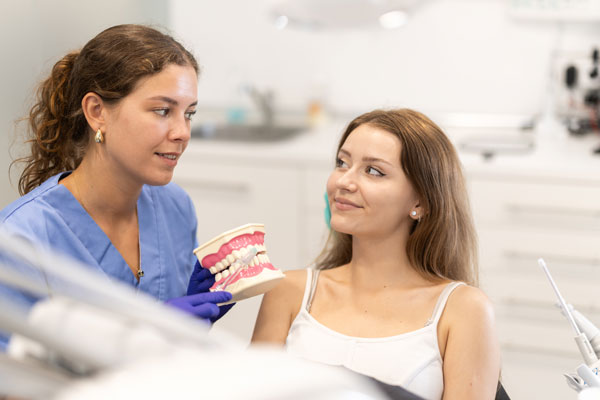
Dental professionals are accustomed to working with nervous patients and are committed to creating a comfortable, stress-free environment. Therefore, before the appointment begins, patients should share their concerns and explain any specific triggers that contribute to their anxiety. For example, some individuals may feel nervous about experiencing pain, while others may dislike the sound of dental drills. If the dental team is aware of these triggers, they can adapt their treatment to the patient’s needs. Other solutions dentists can offer include explaining each step of the procedure in advance or providing frequent breaks during treatment. For those who need additional support, options like sedation dentistry or numbing agents can help create a calm and comfortable experience.
2. Practice relaxation techniques
Relaxation techniques are powerful tools for reducing dental anxiety. Deep breathing is one of the simplest and most effective methods. By focusing on slow, controlled breaths, patients can calm their nervous system and reduce feelings of tension.
Progressive muscle relaxation is another helpful technique. This technique involves tensing and relaxing different muscle groups, starting with the toes and gradually moving through the body. Practicing this method at home or in the waiting room can help patients feel more at ease before the appointment.
Guided imagery is also effective for managing dental anxiety. Patients can close their eyes and visualize a peaceful, soothing setting like a beach or quiet forest. Concentrating on positive imagery distracts the mind from anxious thoughts.
3. Bring comfort items or distractions
Comfort items or distractions can make the experience more manageable. For example, children find bringing a favorite blanket or stuffed animal provides a sense of familiarity and reassurance. While adult patients might find comfort in listening to music or a podcast during the procedure. Many dental offices allow patients to bring headphones and listen to their preferred audio. Also, noise-canceling headphones can help block out the sounds of dental instruments, which are a common trigger for anxiety.
Having a trusted friend or family member accompany some patients can provide additional support. Knowing someone familiar is nearby can create a sense of security and calm. Younger patients, especially, benefit from having a parent, guardian, or family member present.
Get the dental care you need
Dental anxiety does not have to prevent patients from receiving the care they need. Patients can take control of their dental care by understanding its causes and adopting these strategies. Call us today if you want to work with a supportive dental team that ensures that every appointment is as stress-free as possible.
Request an appointment here: https://dentalstudiocolleyville.com or call Dental Studio Colleyville at (817) 885-5188 for an appointment in our Colleyville office.
Check out what others are saying about our dental services on Yelp: Dental Anxiety in Colleyville, TX.
Recent Posts
“How do I find a dentist near me?” remains one of the most common questions, especially if you have recently moved to the neighborhood. Read on to learn more. You need to find the right dentist to handle your dental needs. The process means asking the right questions to find the right fit for you.Here…
Restorative dentists try to repair a tooth to save it before considering replacement options. Damage and decay can jeopardize a tooth and affect how the smile looks and functions. However, a restorative dentist can restore a tooth's form and function.A restorative dentist is any dentist who fixes or replaces teeth. This differs from cosmetic dentistry…
A CEREC® dentist designs, crafts, and places custom ceramic restorations, such as dental crowns and veneers, in a single visit. This approach saves time without compromising quality or long-term results. It also allows patients to avoid messy, uncomfortable impressions and temporary restorations. With precise scanning, on-screen design, and in-office milling, CEREC dentists can deliver high-quality…
If you have ever felt self-conscious about your teeth and considered seeing a cosmetic dentist, you are not alone. Americans spend thousands of dollars trying to enhance their smiles each year. However, for a truly transformative look that is also safe for your teeth, it is recommended that you see a cosmetic dentist.A cosmetic dentist…