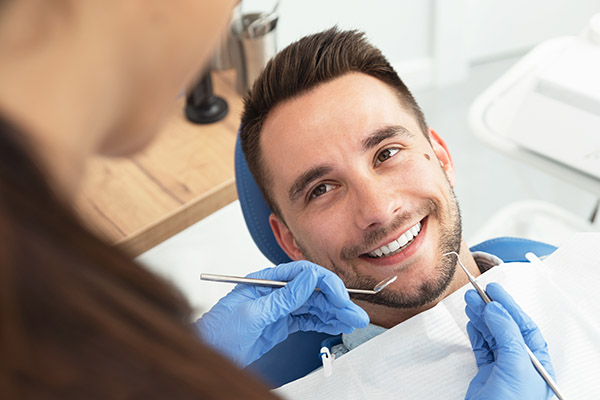
Dental bonding utilizes resin compounds to create a new tooth surface, potentially covering blemishes and other imperfections. However, bonding can be used for more than just hiding stains. Many dentists use it for a wide range of issues due to its many benefits, including its simplicity, adaptability, and price accessibility for most patients.
The advantages of dental bonding
Dental bonding has many advantages, from its low cost compared to other procedures to its expansive potential range of uses. Three of these benefits are as follows.
1. Dental bonding is simple
Few dental procedures can beat the simplicity of dental bonding. The dentist uses a specialized tool to slightly roughen the surface of the tooth being worked on. Then, they apply the bonding resin, which is a malleable, body-safe plastic. The dentist shapes the resin according to the patient’s needs and cures it so it hardens fully.
Dental bonding does not require pain management in most cases, so patients can be in and out of the office with little hassle. Once the UV light cures the resin, the tooth is functional right away, so patients can immediately take advantage of their new and improved smiles.
2. Bonding works for functional and cosmetic problems
Since dental bonding allows for varying thicknesses and shapes, dentists can achieve solutions to cosmetic and functional issues. For instance, many cases of dental bonding will cover stains that cannot be removed through whitening treatments (such as those caused by certain antibiotics or a dead tooth). The dentist creates a new surface layer that is free of these blemishes without threatening the tooth’s underlying structure.
Dental bonding is also effective for functional procedures, such as repairing minor cracks, addressing uneven tooth edges, or restoring small chips. While it cannot replace more substantive restorations, such as crowns in certain cases, it works for minor issues and cosmetic challenges.
3. Dental bonding blends in
When seeking dental restorations, many people are concerned about how their smile will look afterward. Fortunately, the days of prominent, silver-colored amalgam fillings are gone; dentists now have many more tools to create seamless repairs.
Dental bonding is especially suited to mimicking natural teeth. The dentist will use a comparison tool to determine the shade of the patient’s teeth and then mix a bonding resin that matches that shade. The resin’s natural properties also enable it to reflect light and retain moisture like natural teeth. These attributes can make dental bonding indistinguishable from a person’s normal dentition.
Explore dental bonding
Dental bonding could be an affordable choice if you are exploring options for changing the look of your teeth. It offers various solutions, from addressing hairline cracks to covering stains and closing gaps between teeth. Contact our dentist to discuss your goals and learn whether dental bonding suits your situation. We would also be happy to answer any of your questions or address any of your concerns!
Request an appointment or call Dental Studio Colleyville at 817-885-5188 for an appointment in our Colleyville office.
Recent Posts
Dental bonding and dental crowns are two of the most commonly used restoratives for a damaged tooth. When a tooth becomes damaged, it is important to seek professional care as soon as possible. Doing so will allow them to provide one of the two restoratives before the damage worsens and requires more intensive treatment. Let…
Dental bonding and dental filling both restore the smile. In essence, the restoratives are one and the same— the difference between them lies in when a dentist recommends them. Dentists most commonly use fillings to restore functionality to the teeth by filling cavities, while bonding is usually for cosmetic purposes. Either way, the result will…
Dental bonding is an alternative to veneers and other cosmetic options to address imperfections in the teeth. It can also be used to address minor functional issues, such as small cracks or chips in the teeth. Once dental bonding is complete, you'll need to take care of your new smile so it lasts. Fortunately, caring…