General Information
Still Can’t Find?
Back to top of Other Services
Recent Posts
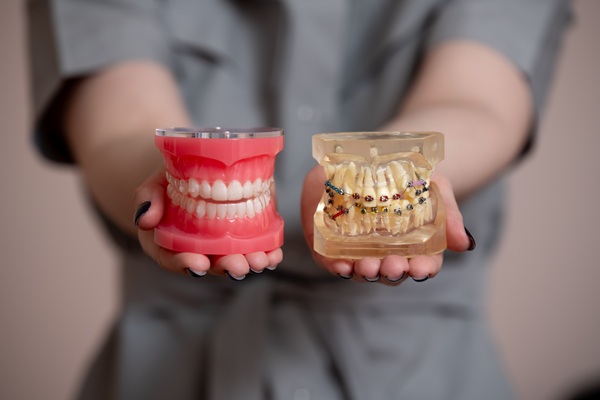
Is Invisalign The Right Teeth Straightening Procedure For Your Teeth?
For those dealing with crooked teeth or an uneven smile, Invisalign® is a teeth straightening alternative to metal braces. Wearing a dental device potentially impacts an individual’s self-esteem, and traditional wire braces can detract from looking professional or mature. Clear aligners offer similar results to metal braces without the same highly visible profile. The entire…
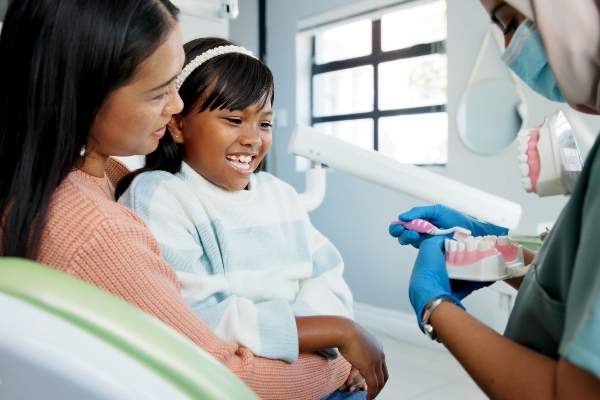
How A Family Dentist Supports Oral Health Through Every Life Stage
Maintaining healthy teeth and gums is a lifelong commitment, and having consistent, professional care from a family dentist can make all the difference. These dentists provide comprehensive oral healthcare to patients of all ages, offering continuity and convenience under one roof. From the first baby tooth to the care of aging smiles, a family-focused dental…

The Role Of A Family Dentist In Preventing Cavities And Gum Disease
It takes consistent care to maintain healthy teeth. Regular visits with a family dentist can prevent cavities and gum disease. These appointments can also identify issues in their early stages and promote lifelong wellness for people of all ages.Cavities often begin as small areas of decay. When left untreated, they can develop into large cavities…
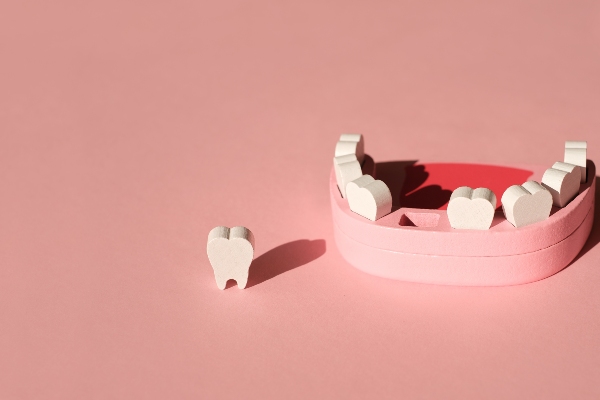
How A Family Dentist Can Replace Missing Teeth
A family dentist is essential in maintaining and improving the oral health of patients at all stages of life. One of the critical services a family dentist provides is replacing missing teeth. Whether due to injury, decay, or other factors, missing teeth can significantly impact both the function and appearance of a smile. Fortunately, these…